
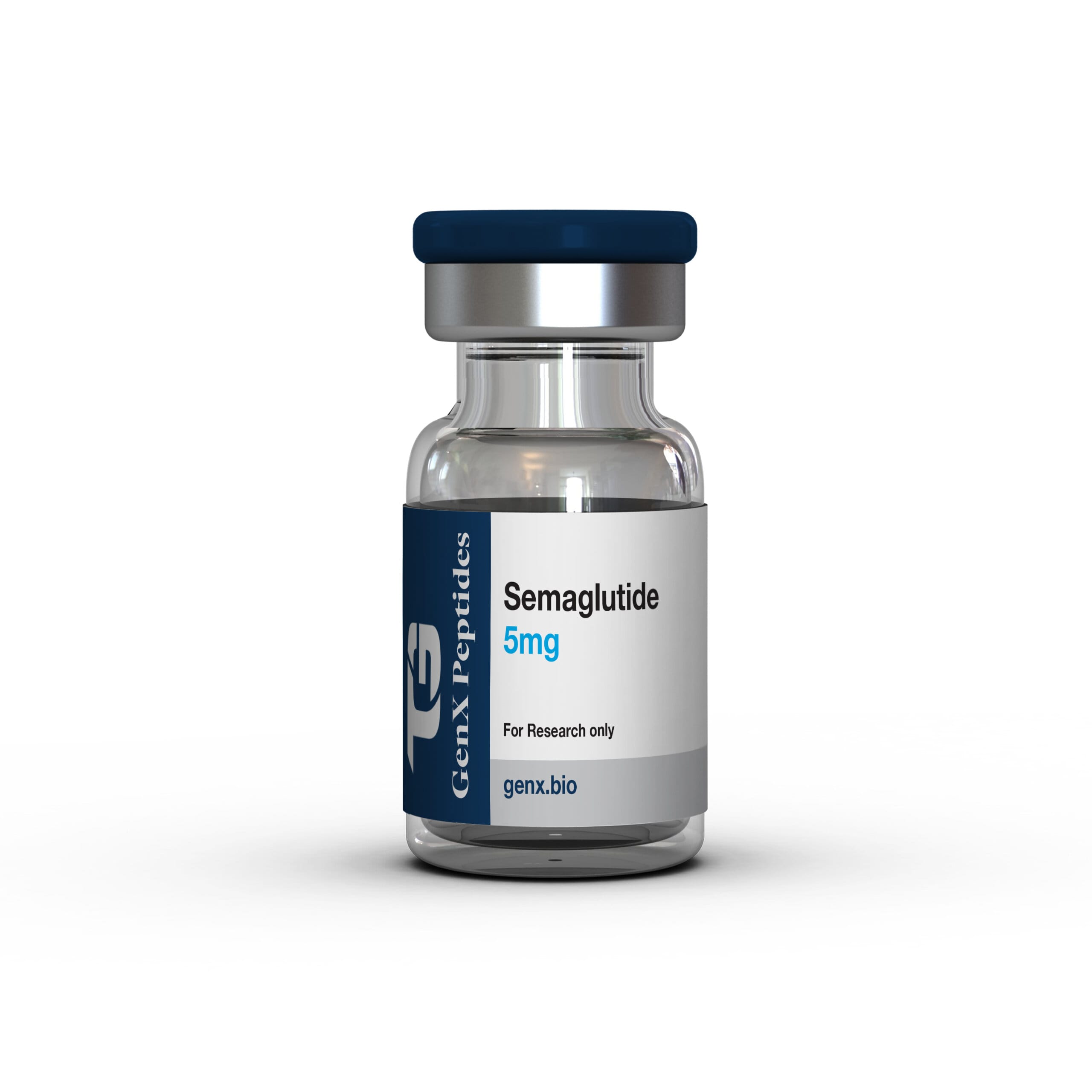
Semaglutide
Semaglutide is a glucagon-like peptide-1 (GLP-1) receptor agonist used for type 2 diabetes and obesity management. It enhances insulin secretion, suppresses glucagon, delays gastric emptying, and promotes satiety, leading to improved glycemic control and weight loss (Drucker, 2018). Clinical trials, including SUSTAIN-6 and STEP, demonstrated significant reductions in HbA1c, cardiovascular risk, and obesity (Marso et al., 2016; Wilding et al., 2021). Adverse effects include nausea and gastrointestinal discomfort (Aroda et al., 2019). Ongoing research explores its potential in neurodegenerative diseases and non-alcoholic steatohepatitis (Harrison et al., 2021).
References:
- Aroda, V. R., et al. (2019). Diabetes, Obesity and Metabolism, 21(5), 1019-1028.
- Drucker, D. J. (2018). Cell Metabolism, 27(4), 740-756.
- Harrison, S. A., et al. (2021). New England Journal of Medicine, 384(12), 1113-1124.
- Marso, S. P., et al. (2016). New England Journal of Medicine, 375(19), 1834-1844.
- Wilding, J. P. H., et al. (2021). New England Journal of Medicine, 384(11), 989-1002.

The peptides are available for research and development purposes only. Please review and adhere to our Terms and Conditions before ordering.